Agoston Nagy
Agoston Nagy is an artist, educator and researcher, exploring the interplay between algorithmic systems and intuitive thinking.
Participations
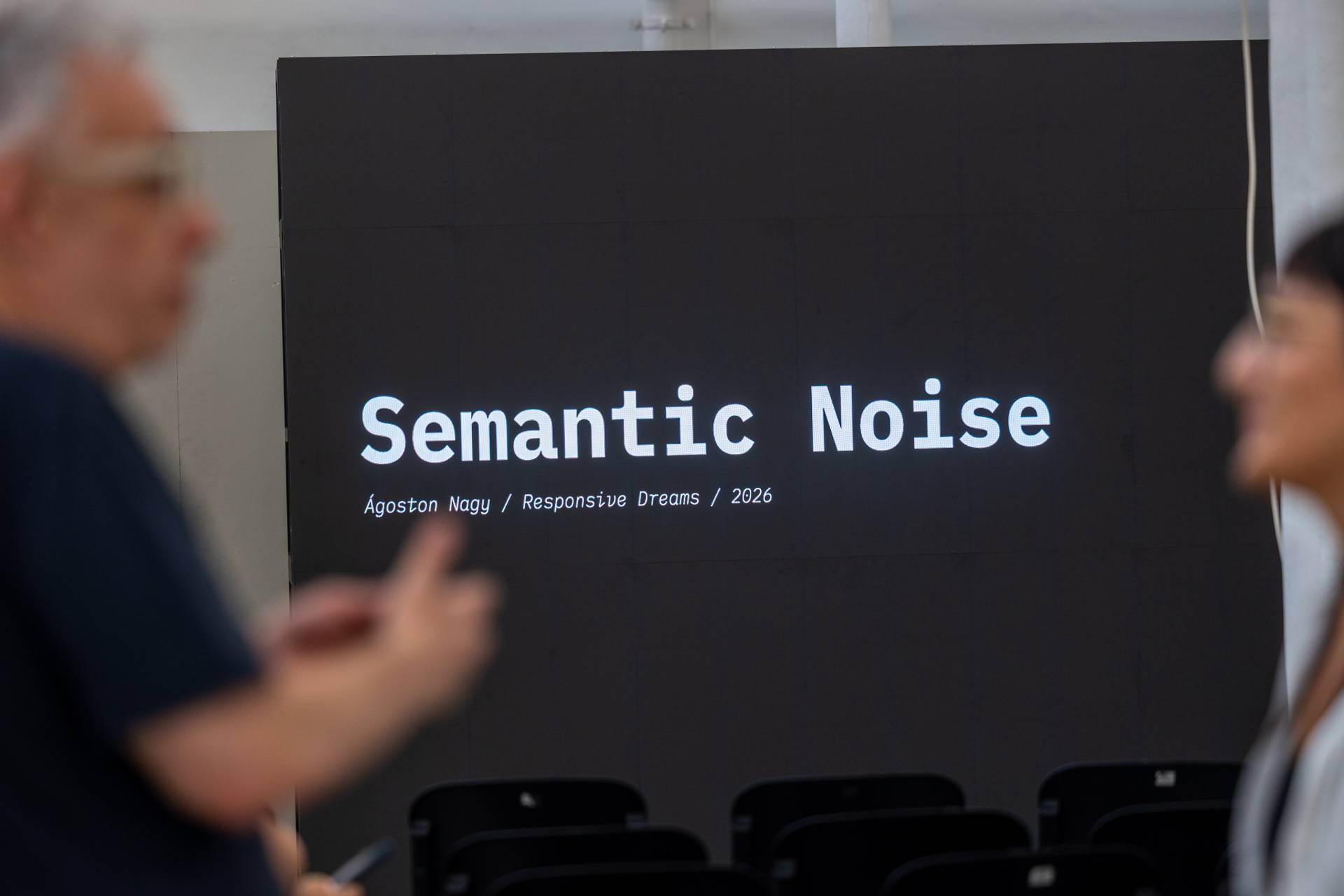
Semantic Noise (2026)
Selected Artworks
L1NK
DR1FT
Modulo Space
re-frame
Infinite Sand Sorter
M3MP%L
Marketplace Profiles
ArtBlocks
Objkt
Raster
Links
instagram
twitter
bsky
github
Bio
In addition to code-based audiovisual artworks, he creates mechanical plotter drawings and physical installations using custom made electronic components. Having conducted international workshops in computational art, systems thinking and creative coding practice across the EU, US, Canada, and Asia, he has shared his expertise on a global scale, with the results of these workshops frequently published in academic conference proceedings.
His works have been exhibited at numerous prestigious institutions, including the Massachusetts Institute of Technology, the Zentrum für Kunst und Medien (ZKM) in Karlsruhe, EXPANDED.ART Gallery in Berlin, the Finnish National Gallery, and the Ludwig Museum in Budapest. Currently, he is a lecturer at Moholy-Nagy University of Art and Design in Budapest.
Semantic Noise
Dream Project (Responsive Dreams 2026)
↑ Click on the image to start the artwork
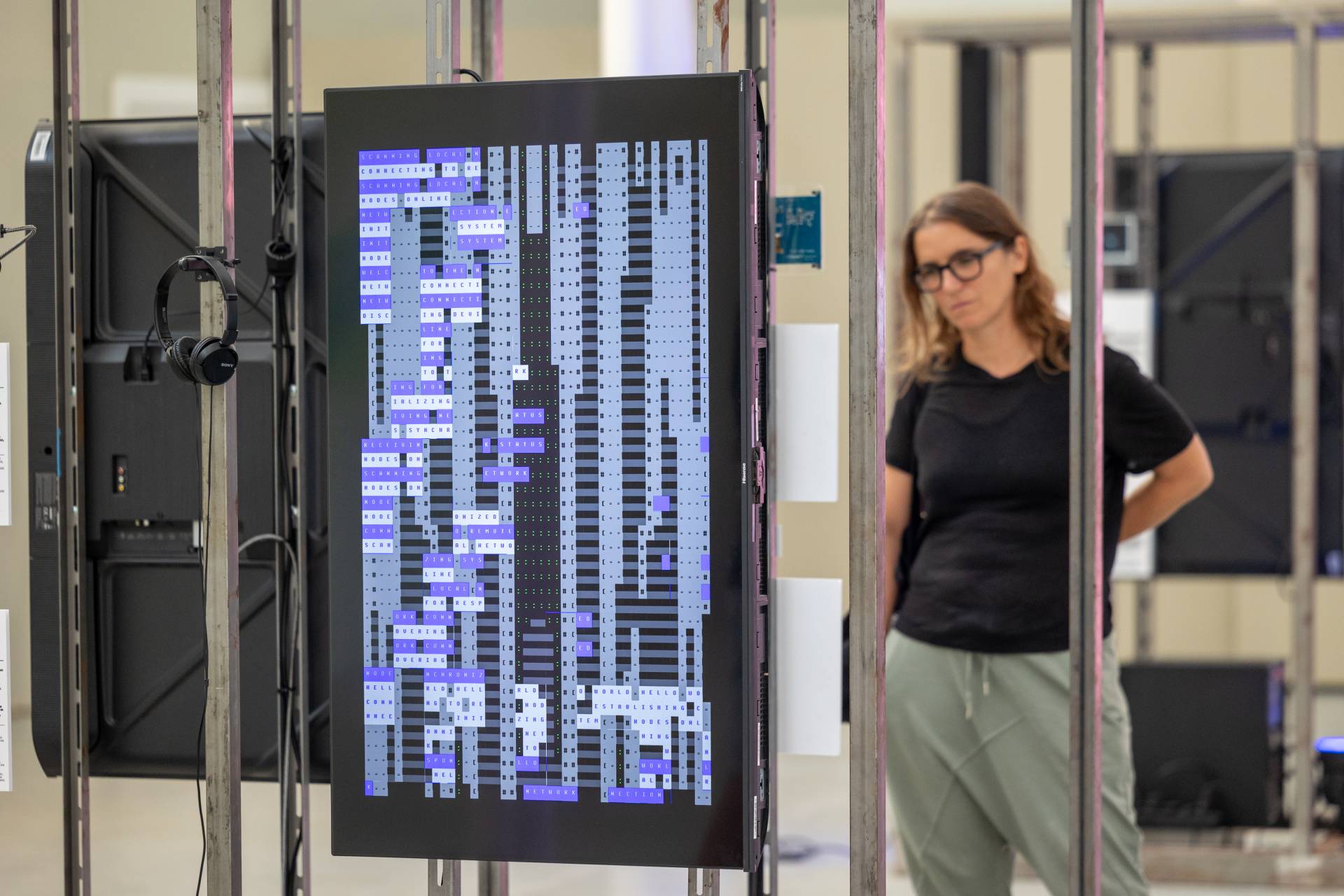
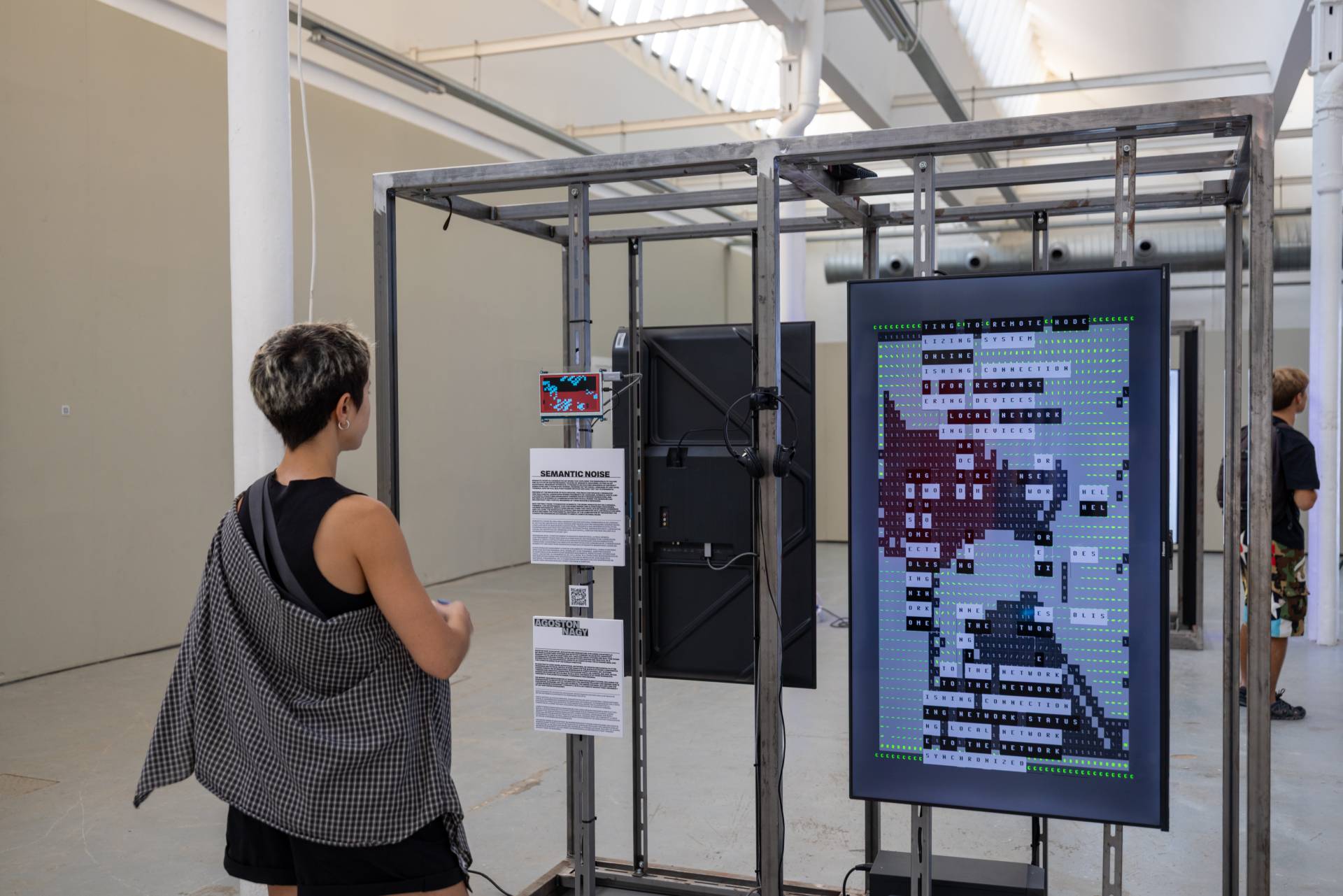
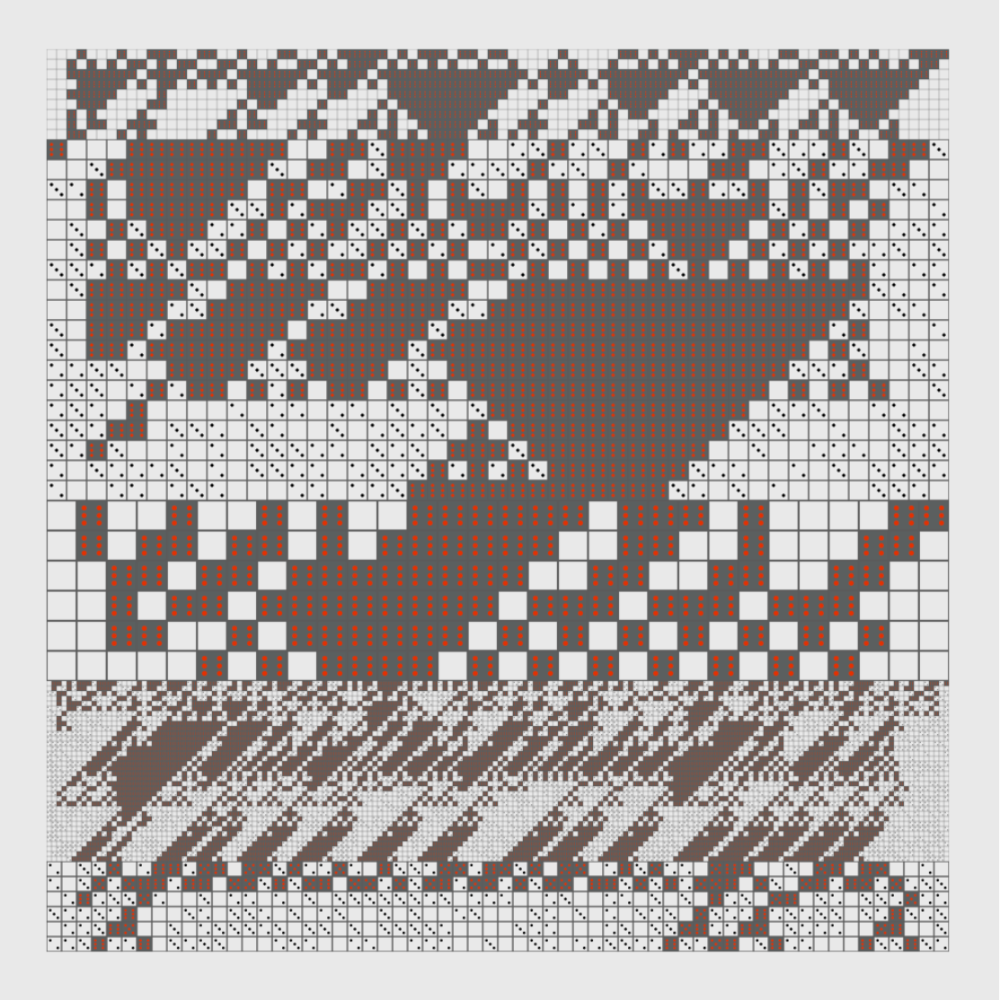
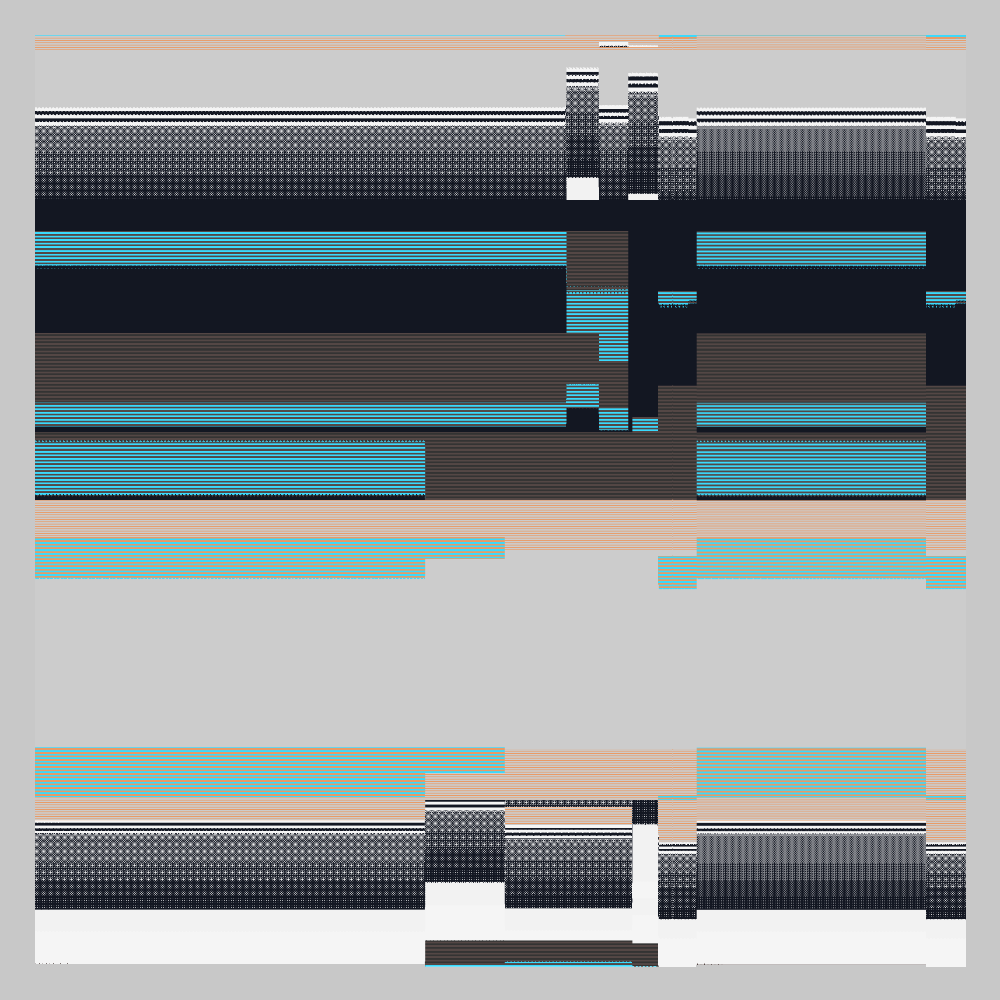
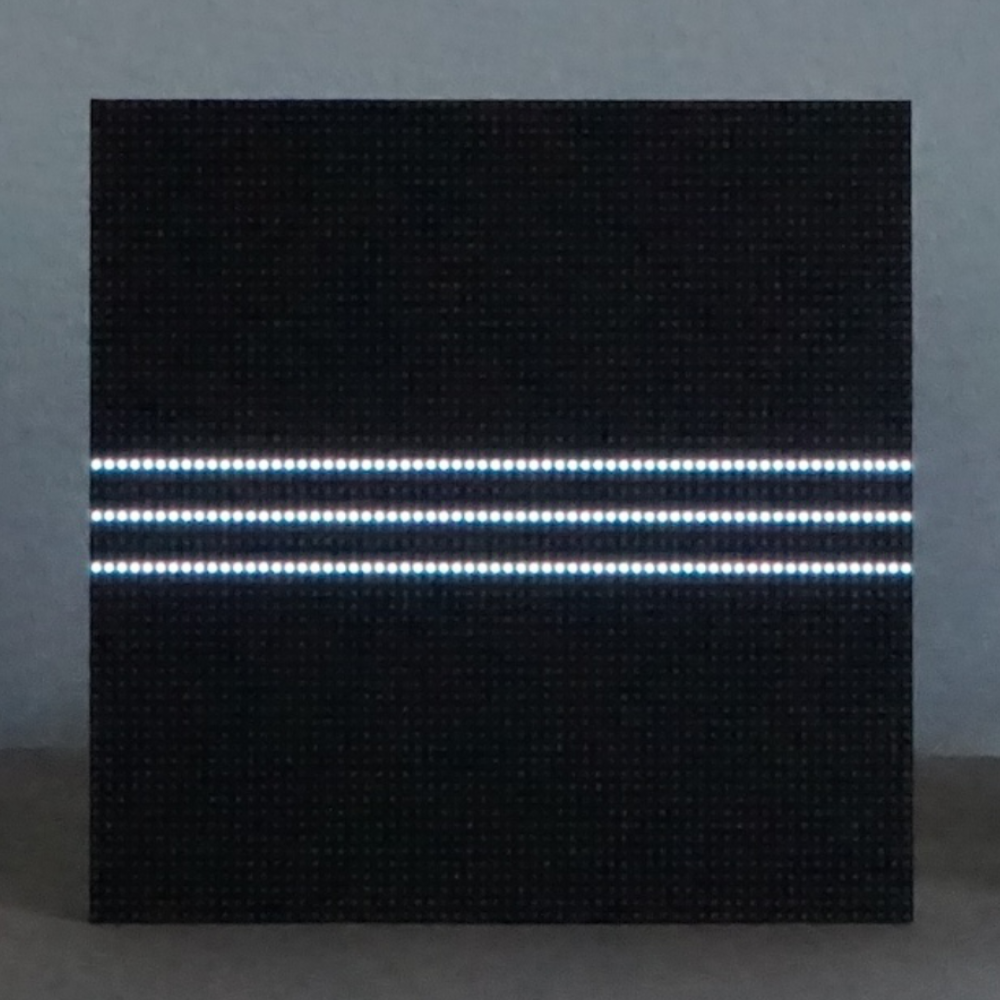
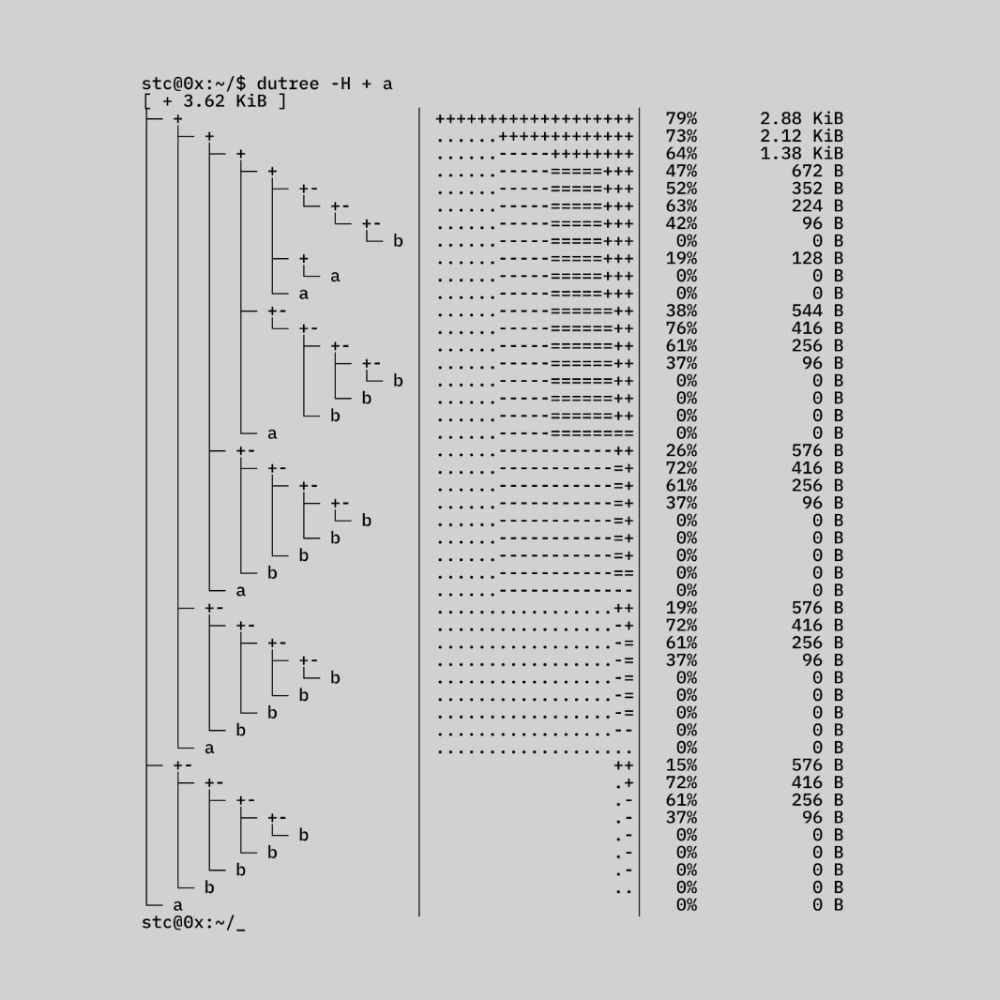
Semantic Noise is a generative artwork that explores the emergence of failure and glitch in an age increasingly shaped by semantic machines. Acting as an audiovisual imaginary interface, it presents an evolving sequence of abstract animations and typographic scenes, drawing on the visual language of low-level terminal aesthetics, malfunctioning devices and early net-art experiments.
Inspired by the behaviour of such devices, the piece continuously generates unstable digital landscapes where fragments of language, symbols, digits, and colourful structures reorganize themselves into broken narratives, and incomplete schemes of communication protocols, where the observer can reconstruct only partial meanings of these readable messages.
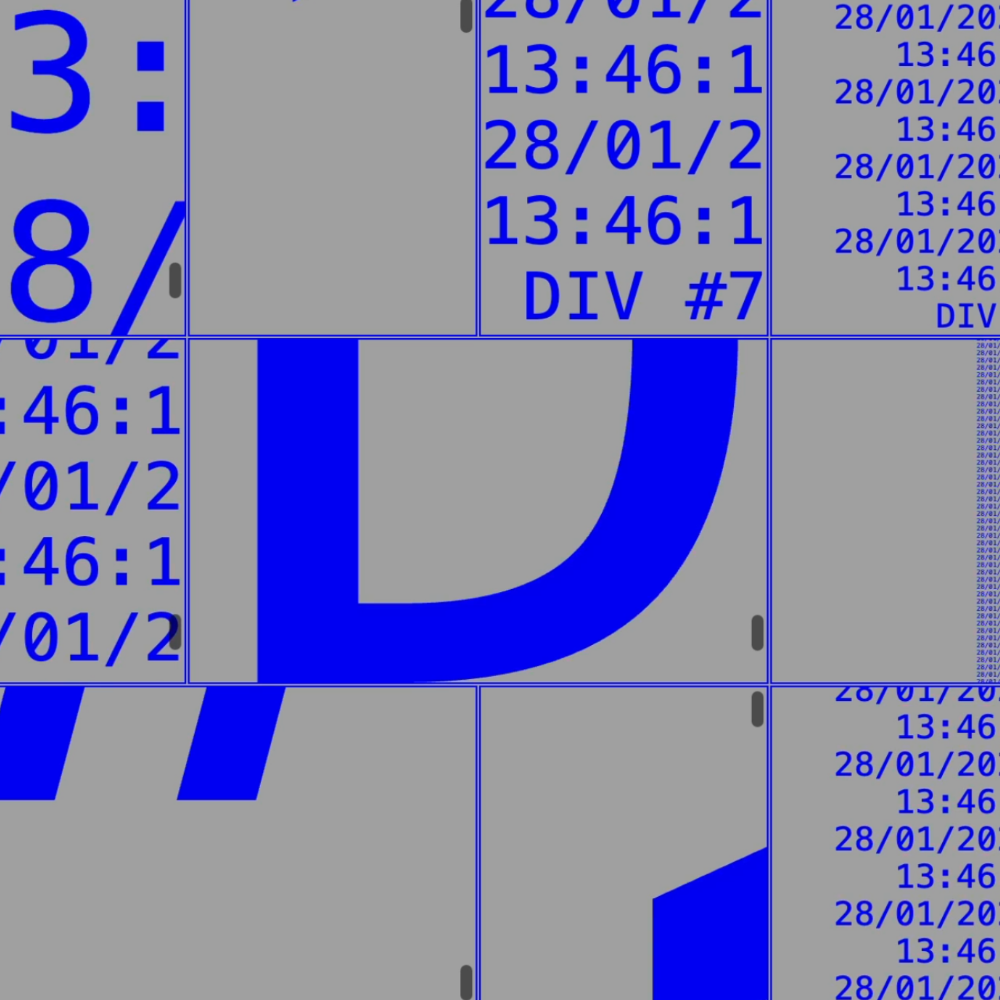
Built entirely from typographic elements, the work operates within a minimal, terminal-like environment that has some underlying algorithmic processes, causing movements, repetitions and rhythms that oscillate between coherence and collapse. The monospace characters are distributed on a low resolution grid, which becomes the fundamental material of the composition by organizing the character sequences according to simple computational rules.
The semi-readable texts and digits are originating from messages between different communication protocols that are trying to establish a connection with the network. The resulting fragments suggest machine reasoning without ever fully resolving into stable meaning, exposing the hidden uncertainties, biases, and hallucinations embedded within digital networks and contemporary AI systems. The sound is made with realtime audio synthesis, using basic audio building blocks like noise, sine waves, filters and envelopes. As opposed to traditional musical structures, the overall soundscape acts like the sonification of the interface, indicating the raw activity levels of the apparatus.
In this sense, the artwork operates somewhere between machine logic and the semantic uncertainty of the human observer, where the boundaries between signal and noise, intention and accident, become increasingly eliminated.